Prevention: The Greatest Medicine We Have Yet to Fully Embrace
For centuries, medicine has been remarkably successful at diagnosing diseases, developing increasingly sophisticated treatments, and saving lives through scientific innovation. Modern healthcare has eradicated many infectious diseases through vaccination, transformed survival following major trauma, revolutionised cancer treatment, and dramatically improved outcomes in cardiovascular disease, organ transplantation, neonatal medicine, and intensive care. Despite these extraordinary achievements, healthcare systems throughout the world are facing an escalating crisis. Chronic diseases now account for the majority of deaths, disability, healthcare expenditure, and loss of productivity. Type 2 diabetes, obesity, cardiovascular disease, chronic respiratory disorders, musculoskeletal diseases, dementia, depression, anxiety, and chronic kidney disease have become the defining health challenges of the twenty-first century. The common feature shared by many of these conditions is that they are largely preventable or their progression can be substantially delayed through timely intervention. This reality demands a fundamental shift in healthcare philosophy—from one centred predominantly on treating illness to one equally committed to preserving health.
Prevention is not a new concept. Ancient medical traditions, including those of Greece, India, China, and the Middle East, all recognised that maintaining health was preferable to treating disease after it had developed. Modern scientific research has now confirmed many of these principles. Healthy nutrition, regular physical activity, maintaining a healthy body weight, avoiding tobacco, limiting alcohol consumption, obtaining adequate sleep, managing psychological stress, fostering positive social relationships, and participating in preventive screening programmes all reduce the risk of developing multiple chronic diseases simultaneously. Unlike many medical interventions that target a single disease, preventive measures often improve numerous aspects of health at the same time, providing benefits that extend throughout an individual’s lifetime.
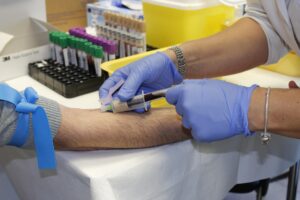
Integrated medicine places prevention at the centre of healthcare rather than treating it as an afterthought. Instead of waiting until patients develop hypertension, diabetes, coronary artery disease, osteoporosis, or depression, integrated healthcare identifies individuals who are at increased risk and provides personalised interventions before irreversible damage occurs. Risk assessment may include family history, genetic predisposition, lifestyle habits, nutrition, physical activity, sleep quality, psychological wellbeing, body composition, laboratory investigations, and increasingly, information obtained from wearable technologies and digital health platforms. By understanding each individual’s unique risk profile, healthcare professionals can develop preventive strategies that are both personalised and achievable.
Nutrition represents one of the most powerful preventive tools available. The foods consumed each day influence virtually every biological system within the body, including metabolism, immune function, cardiovascular health, cognitive performance, gastrointestinal function, hormonal regulation, and inflammation. Diets rich in vegetables, fruits, whole grains, legumes, nuts, healthy fats, and minimally processed foods are consistently associated with lower rates of cardiovascular disease, diabetes, obesity, certain cancers, and premature mortality. Conversely, excessive consumption of highly processed foods, refined sugars, trans fats, and excessive salt contributes significantly to the global burden of chronic disease. Integrated medicine encourages nutritional education not simply as dietary advice but as a cornerstone of lifelong disease prevention.
Physical activity provides equally profound health benefits. Human physiology evolved in an environment requiring regular movement, yet modern lifestyles have become increasingly sedentary. Prolonged sitting, reduced occupational activity, motorised transport, and screen-based leisure contribute to obesity, insulin resistance, reduced cardiovascular fitness, musculoskeletal weakness, osteoporosis, depression, and reduced life expectancy. Exercise influences almost every organ system. It improves insulin sensitivity, enhances cardiovascular efficiency, strengthens bones and muscles, stimulates neuroplasticity within the brain, reduces chronic inflammation, improves immune regulation, and supports emotional wellbeing. Importantly, the greatest benefits arise not from occasional intense exercise but from consistent daily movement that becomes integrated into normal life.
Stress has become one of the defining health challenges of modern society. Although the human stress response evolved to protect individuals from immediate danger, chronic activation of stress pathways contributes to hypertension, metabolic dysfunction, anxiety, depression, impaired immunity, gastrointestinal disorders, chronic pain, and cardiovascular disease. Many individuals experience persistent occupational pressure, financial concerns, caregiving responsibilities, information overload, and social isolation that maintain a constant physiological stress response. Integrated medicine recognises that effective stress management is not a luxury but an essential component of preventive healthcare. Mindfulness practices, meditation, breathing exercises, yoga, cognitive behavioural strategies, physical activity, spending time in nature, meaningful social interaction, and maintaining work-life balance all contribute to restoring psychological resilience and physiological equilibrium.
Sleep, often overlooked in conventional healthcare, has emerged as another critical determinant of long-term health. During sleep, the brain consolidates memory, metabolic waste products are cleared from neural tissue, hormones regulating appetite and metabolism are balanced, immune function is strengthened, and cellular repair processes occur throughout the body. Chronic sleep deprivation has been associated with obesity, diabetes, hypertension, depression, reduced cognitive performance, increased accident risk, impaired immunity, and even increased mortality. Promoting healthy sleep habits should therefore become a routine component of preventive healthcare, alongside nutrition and exercise.
Preventive healthcare also extends beyond individual lifestyle factors to encompass the wider environment in which people live. Safe housing, clean air, access to healthy food, opportunities for physical activity, education, employment, financial security, and supportive communities all influence health outcomes. Social prescribing, community wellbeing programmes, volunteer networks, local exercise initiatives, community gardens, and health education campaigns can strengthen population health while reducing inequalities. Integrated medicine recognises that creating healthier communities is as important as treating individual patients.
The economic case for prevention is compelling. Healthcare expenditure continues to rise largely because increasing numbers of people develop chronic diseases requiring lifelong treatment. Preventing obesity reduces future diabetes. Preventing diabetes reduces kidney failure, blindness, cardiovascular disease, and amputations. Preventing falls reduces fractures, disability, and social care costs. Preventing depression improves educational attainment, employment, productivity, and family wellbeing. Every successful preventive intervention generates benefits that extend beyond healthcare budgets into education, employment, economic productivity, and community resilience.
Artificial intelligence and digital health technologies are likely to transform preventive medicine over the coming decade. Wearable devices already monitor heart rate, physical activity, sleep quality, cardiac rhythm, and blood glucose. Future AI-powered health navigators will integrate these data with electronic health records, laboratory investigations, genetic information, and lifestyle assessments to identify health risks at an earlier stage than has ever previously been possible. Rather than simply diagnosing disease, healthcare professionals will increasingly guide individuals towards healthier lifestyles before disease develops. Technology will therefore support prevention, but its effectiveness will depend upon combining scientific innovation with compassionate clinical care and sustained behavioural support.
The healthcare systems of the future will not be judged solely by their ability to perform increasingly complex procedures or prescribe increasingly sophisticated medicines. Their true success will be measured by how effectively they help people remain healthy throughout life. Prevention represents the greatest opportunity to reduce suffering, improve quality of life, reduce healthcare expenditure, and create healthier communities. Integrated medicine provides the framework through which prevention can become the foundation of healthcare rather than its forgotten ambition. By empowering individuals, strengthening communities, embracing technological innovation, and combining the best available scientific evidence from conventional and complementary medicine, we can create a healthcare system that is proactive rather than reactive, preventive rather than crisis-driven, and focused on enabling every individual to achieve their fullest potential for lifelong health.